
Start with the reporting date, accounts or projects included, and the person who approves exceptions. This budget-to-actual variance notes should explain its scope before anyone changes a record.
Budget-to-actual variance notes
Explain what changed, why it changed, and who owns the next action.
Published · 8 minute read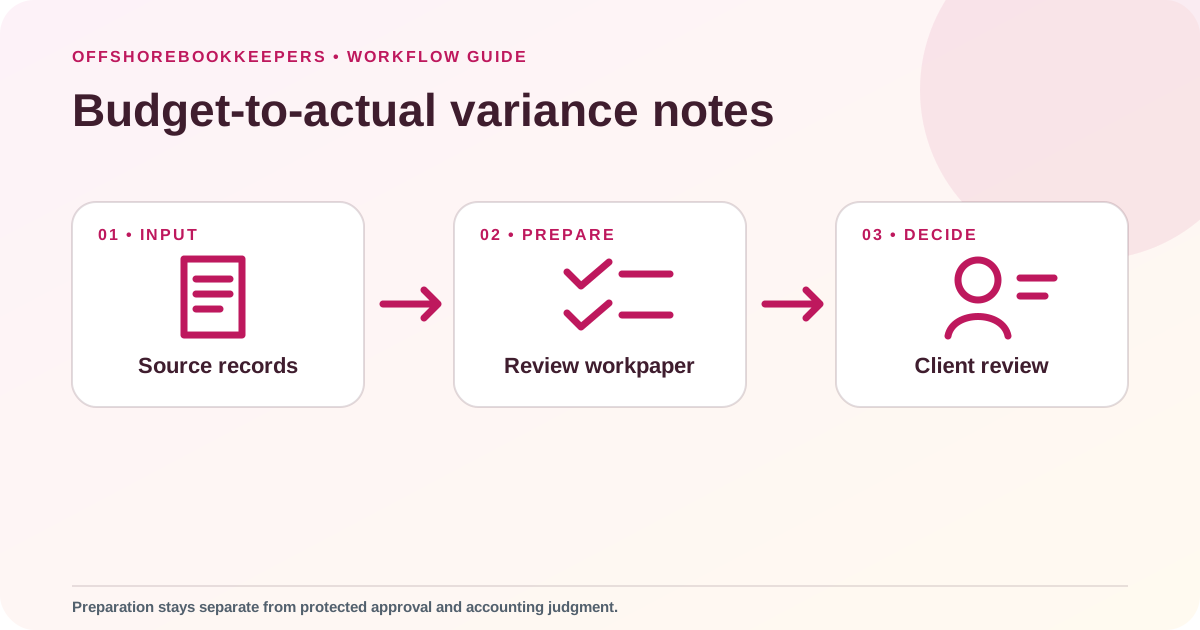
The short answer
- Explain what changed, why it changed, and who owns the next action.
- Keep source evidence, reconciliation detail, and unresolved questions together.
- Leave approval, policy, and accounting judgment with the named finance owner.
Define the review boundary
Build the evidence packet
Collect budget version, ledger actuals, timing, volume, price, coding, and one-time events. Preserve the original source and give each unresolved item a named owner and due date. A bookkeeper can prepare the detail and document questions without making a policy or accounting judgment.
Reconcile before presenting
Run actuals from the locked reporting period and preserve the budget version used for comparison. Trace meaningful gaps to ledger detail and operational drivers, separating timing, volume, price, coding, and one-off effects rather than inventing a narrative from the net variance.
Keep approval independent
A bookkeeper can calculate the bridge and draft evidence-based questions, but budget owners validate operating explanations and finance approves reforecasts, account corrections, and materiality thresholds. The person who drafts an adjustment should not provide its final approval.
Close with a useful handoff
The final packet should show the period, source reports, reconciled totals, open exceptions, reviewer decision, and next review date. That structure makes budget-to-actual variance notes useful for owners and finance managers who need dependable books without losing control.