
Start with the reporting date, accounts or projects included, and the person who approves exceptions. This deferred revenue schedule review should explain its scope before anyone changes a record.
Deferred revenue schedule review
Check opening balances, billings, recognition, cancellations, and closing support.
Published · 8 minute read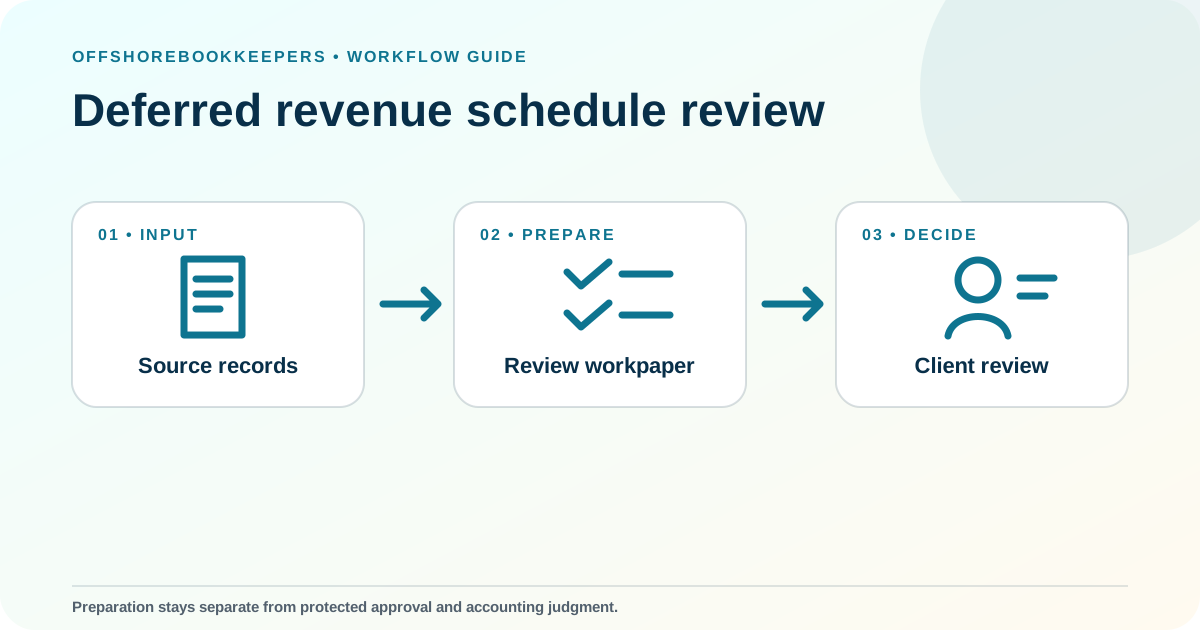
The short answer
- Check opening balances, billings, recognition, cancellations, and closing support.
- Keep source evidence, reconciliation detail, and unresolved questions together.
- Leave approval, policy, and accounting judgment with the named finance owner.
Define the review boundary
Build the evidence packet
Collect opening schedule, contract terms, billings, service periods, and reversals. Preserve the original source and give each unresolved item a named owner and due date. A bookkeeper can prepare the detail and document questions without making a policy or accounting judgment.
Reconcile before presenting
Roll the schedule from opening deferred revenue through billings, credits, recognition, and ending contract balances, then tie it to the ledger. Investigate missing contract dates, duplicate schedules, cancellations, and manual revenue postings at the customer or obligation level.
Keep approval independent
The bookkeeper can maintain contract data and calculate amounts under an approved method. Finance or the company's accounting adviser must decide recognition policy, contract modifications, estimates, and correction entries, with someone other than the preparer recording approval.
Close with a useful handoff
The final packet should show the period, source reports, reconciled totals, open exceptions, reviewer decision, and next review date. That structure makes deferred revenue schedule review useful for owners and finance managers who need dependable books without losing control.