
Start with the reporting date, accounts or projects included, and the person who approves exceptions. This intercompany settlement reconciliation should explain its scope before anyone changes a record.
Intercompany settlement reconciliation
Match reciprocal balances, transaction references, currency, and settlement status.
Published · 8 minute read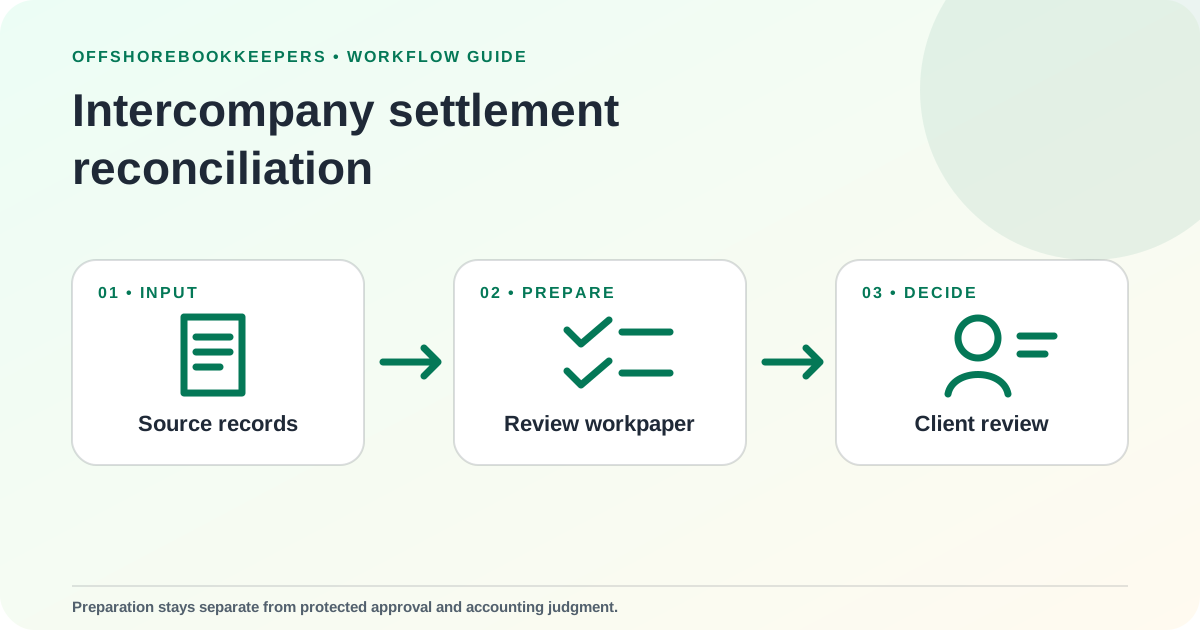
The short answer
- Match reciprocal balances, transaction references, currency, and settlement status.
- Keep source evidence, reconciliation detail, and unresolved questions together.
- Leave approval, policy, and accounting judgment with the named finance owner.
Define the review boundary
Build the evidence packet
Collect entity, period, currency, invoice, transfer, journal reference, and confirmation. Preserve the original source and give each unresolved item a named owner and due date. A bookkeeper can prepare the detail and document questions without making a policy or accounting judgment.
Reconcile before presenting
Pair due-to and due-from detail by legal entity, document, currency, and period before proposing settlement. Identify one-sided entries, disputed recharges, withholding or bank fees, and foreign-exchange differences so offsetting discrepancies are not hidden in a single net transfer.
Keep approval independent
Preparers may match reciprocal balances and draft a settlement instruction, but each entity's authorized finance owner confirms the payable, approves adjustments, and releases its cash. Tax, legal, currency, and netting judgments remain with qualified client reviewers.
Close with a useful handoff
The final packet should show the period, source reports, reconciled totals, open exceptions, reviewer decision, and next review date. That structure makes intercompany settlement reconciliation useful for owners and finance managers who need dependable books without losing control.