
Start with the reporting date, accounts or projects included, and the person who approves exceptions. This expense reimbursement approval records should explain its scope before anyone changes a record.
Expense reimbursement approval records
Keep claimant, purpose, receipt, approval, payment, and entry in one packet.
Published · 8 minute read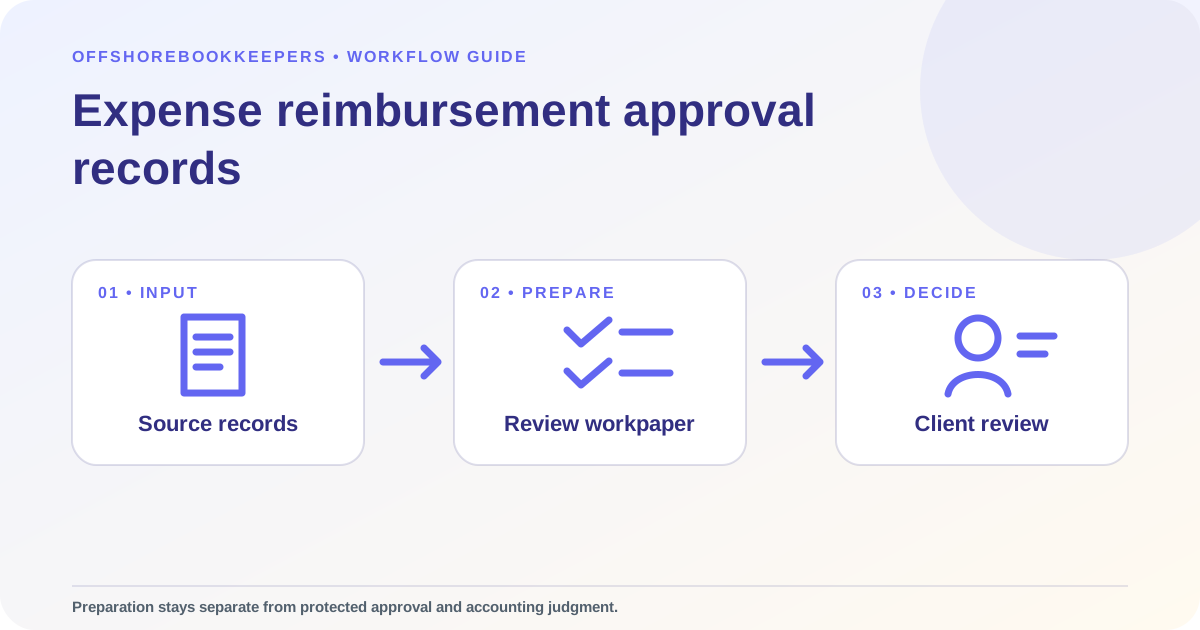
The short answer
- Keep claimant, purpose, receipt, approval, payment, and entry in one packet.
- Keep source evidence, reconciliation detail, and unresolved questions together.
- Leave approval, policy, and accounting judgment with the named finance owner.
Define the review boundary
Build the evidence packet
Collect claimant, business purpose, receipt, amount, duplicate risk, and approval. Preserve the original source and give each unresolved item a named owner and due date. A bookkeeper can prepare the detail and document questions without making a policy or accounting judgment.
Reconcile before presenting
Match each reimbursement claim to receipts, business purpose, employee, dates, currency conversion, policy limits, and any card-feed overlap. Reconcile approved batches to the employee payable and payment file, leaving missing evidence or duplicate claims in an exception status.
Keep approval independent
A bookkeeper may check arithmetic and policy fields but should not approve an employee's claim or release reimbursement. The named manager handles business-purpose approval, while finance retains authority over coding, exceptions, recoveries, and payment release.
Close with a useful handoff
The final packet should show the period, source reports, reconciled totals, open exceptions, reviewer decision, and next review date. That structure makes expense reimbursement approval records useful for owners and finance managers who need dependable books without losing control.