
Start with the reporting date, accounts or projects included, and the person who approves exceptions. This fixed asset disposal support should explain its scope before anyone changes a record.
Fixed asset disposal support
Gather asset history, authorization, proceeds, and the final removal calculation.
Published · 8 minute read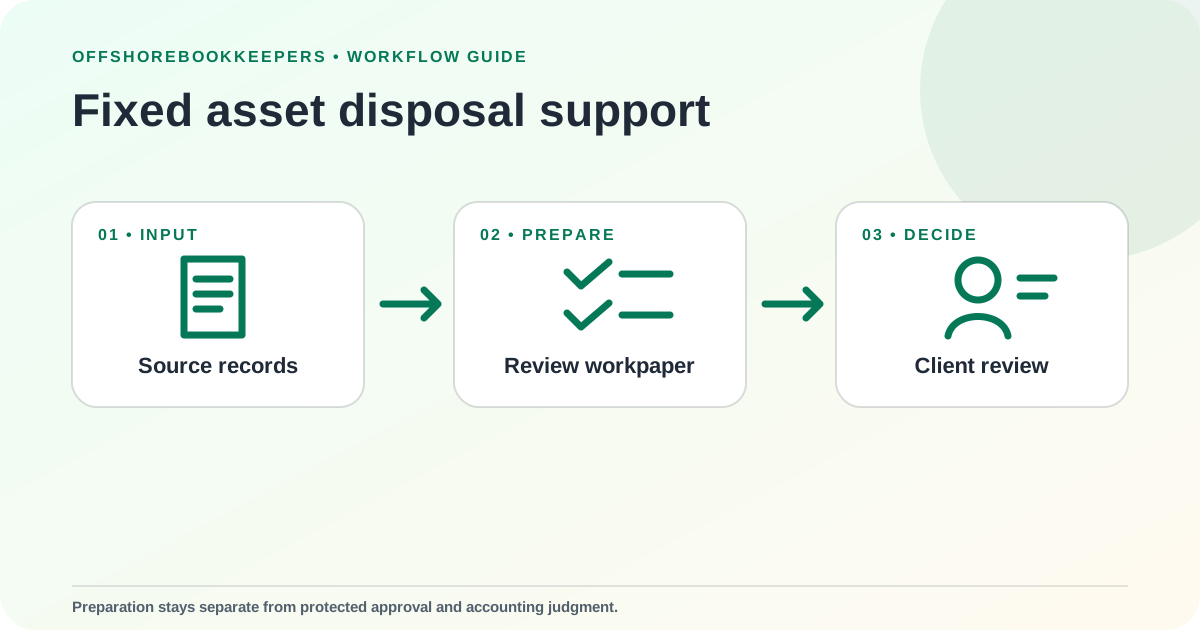
The short answer
- Gather asset history, authorization, proceeds, and the final removal calculation.
- Keep source evidence, reconciliation detail, and unresolved questions together.
- Leave approval, policy, and accounting judgment with the named finance owner.
Define the review boundary
Build the evidence packet
Collect asset tag, cost, accumulated depreciation, authorization, proceeds, and disposal date. Preserve the original source and give each unresolved item a named owner and due date. A bookkeeper can prepare the detail and document questions without making a policy or accounting judgment.
Reconcile before presenting
Locate the asset ID, acquisition cost, accumulated depreciation, disposal date, sale or scrapping evidence, proceeds, and ledger history. Compare register and physical or operational records, and show the proposed removal calculation without assuming a missing asset was disposed.
Keep approval independent
The bookkeeper can assemble disposal support and calculate a draft register update. Management confirms custody and disposal authorization, while the controller or CPA approves useful-life conclusions, gain or loss treatment, impairment, write-off, and journal entry.
Close with a useful handoff
The final packet should show the period, source reports, reconciled totals, open exceptions, reviewer decision, and next review date. That structure makes fixed asset disposal support useful for owners and finance managers who need dependable books without losing control.