
Start with the reporting date, accounts or projects included, and the person who approves exceptions. This travel expense reconciliation should explain its scope before anyone changes a record.
Travel expense reconciliation
Tie card charges, reimbursements, receipts, and business purpose to a trip.
Published · 8 minute read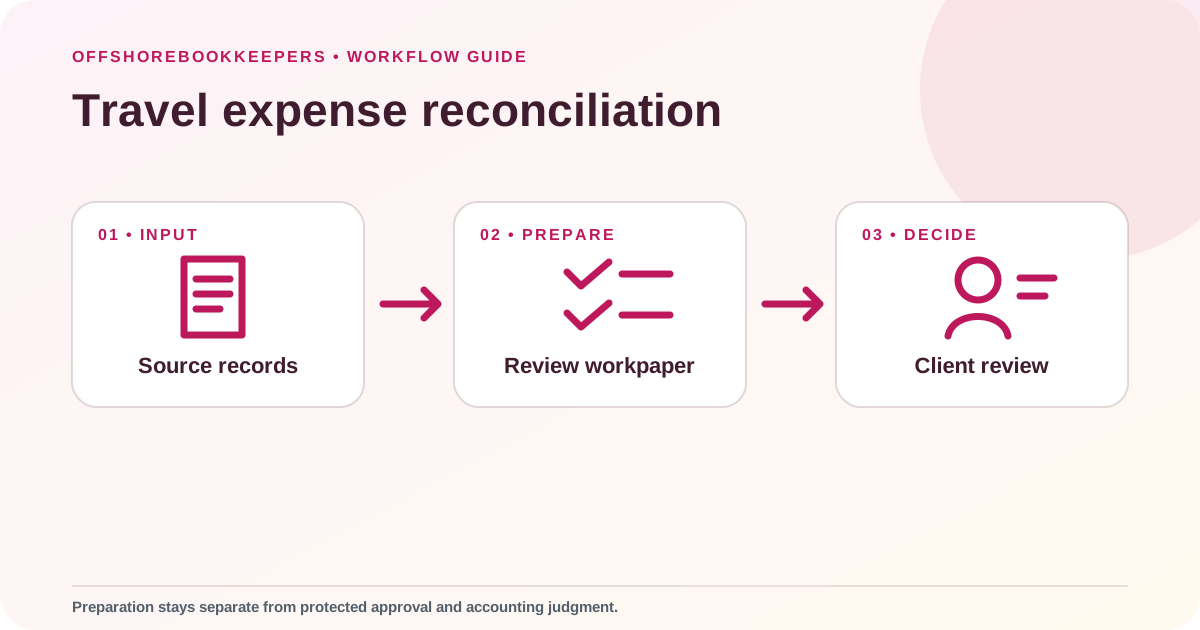
The short answer
- Tie card charges, reimbursements, receipts, and business purpose to a trip.
- Keep source evidence, reconciliation detail, and unresolved questions together.
- Leave approval, policy, and accounting judgment with the named finance owner.
Define the review boundary
Build the evidence packet
Collect trip reference, traveler, itinerary, merchant, currency, receipt, and business purpose. Preserve the original source and give each unresolved item a named owner and due date. A bookkeeper can prepare the detail and document questions without making a policy or accounting judgment.
Reconcile before presenting
Compare the trip register with card activity, employee claims, cash advances, and the general ledger. Flag duplicate charges, exchange-rate differences, missing receipts, and expenses outside the approved itinerary. Keep any proposed coding change beside its receipt and business-purpose note.
Keep approval independent
The traveler or preparer can assemble the packet, but a manager decides policy exceptions and the finance reviewer approves coding or reimbursement changes. Someone who incurred the expense should not approve the same exception.
Close with a useful handoff
The final packet should show the period, source reports, reconciled totals, open exceptions, reviewer decision, and next review date. That structure makes travel expense reconciliation useful for owners and finance managers who need dependable books without losing control.