
Start with the reporting date, accounts or projects included, and the person who approves exceptions. This unbilled revenue review should explain its scope before anyone changes a record.
Unbilled revenue review
Identify completed work not yet invoiced and connect it to delivery evidence.
Published · 8 minute read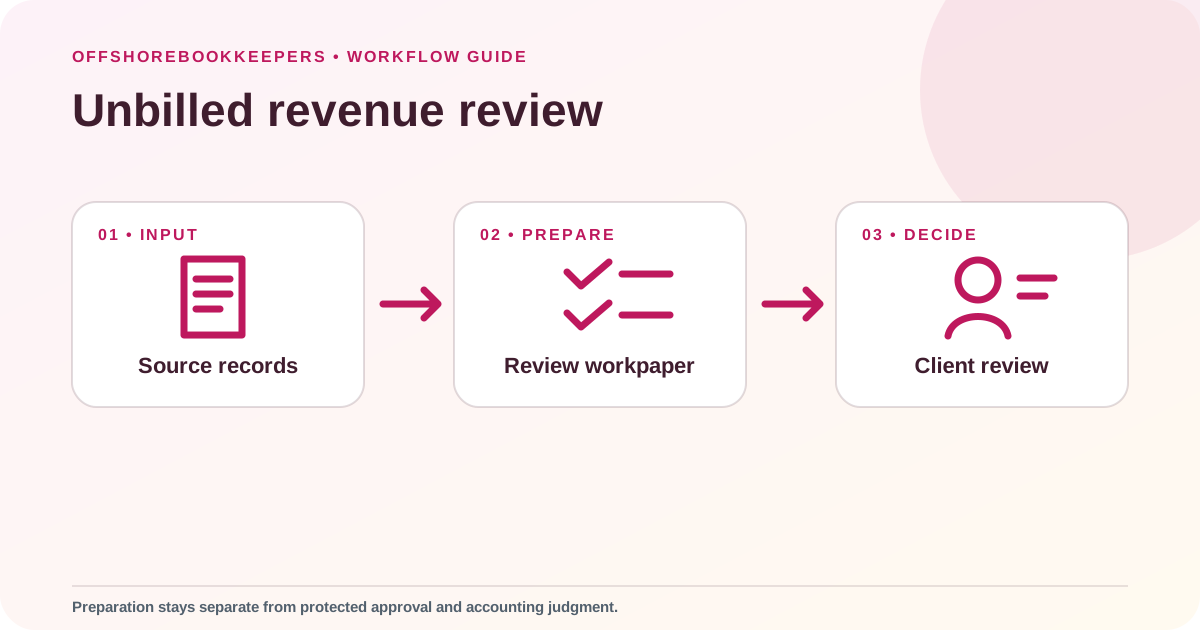
The short answer
- Identify completed work not yet invoiced and connect it to delivery evidence.
- Keep source evidence, reconciliation detail, and unresolved questions together.
- Leave approval, policy, and accounting judgment with the named finance owner.
Define the review boundary
Build the evidence packet
Collect cutoff, milestone, approved time, delivery record, billing status, and prior balance. Preserve the original source and give each unresolved item a named owner and due date. A bookkeeper can prepare the detail and document questions without making a policy or accounting judgment.
Reconcile before presenting
Tie the unbilled schedule to approved milestones, delivery evidence, contract terms, invoices raised after cutoff, and the related ledger accounts. Keep disputed milestones and missing acceptance records in an open queue rather than forcing them into the billed total.
Keep approval independent
A bookkeeper can organize contracts and calculate amounts under an approved method. The client owner decides whether performance criteria are met, while the controller or adviser approves revenue treatment and any journal.
Close with a useful handoff
The final packet should show the period, source reports, reconciled totals, open exceptions, reviewer decision, and next review date. That structure makes unbilled revenue review useful for owners and finance managers who need dependable books without losing control.