
Start with the reporting date, accounts or projects included, and the person who approves exceptions. These vendor credit application controls should state the scope before anyone changes a record.
Vendor credit application controls
Confirm a vendor credit is supported and applied to the correct open item.
Published · 8 minute read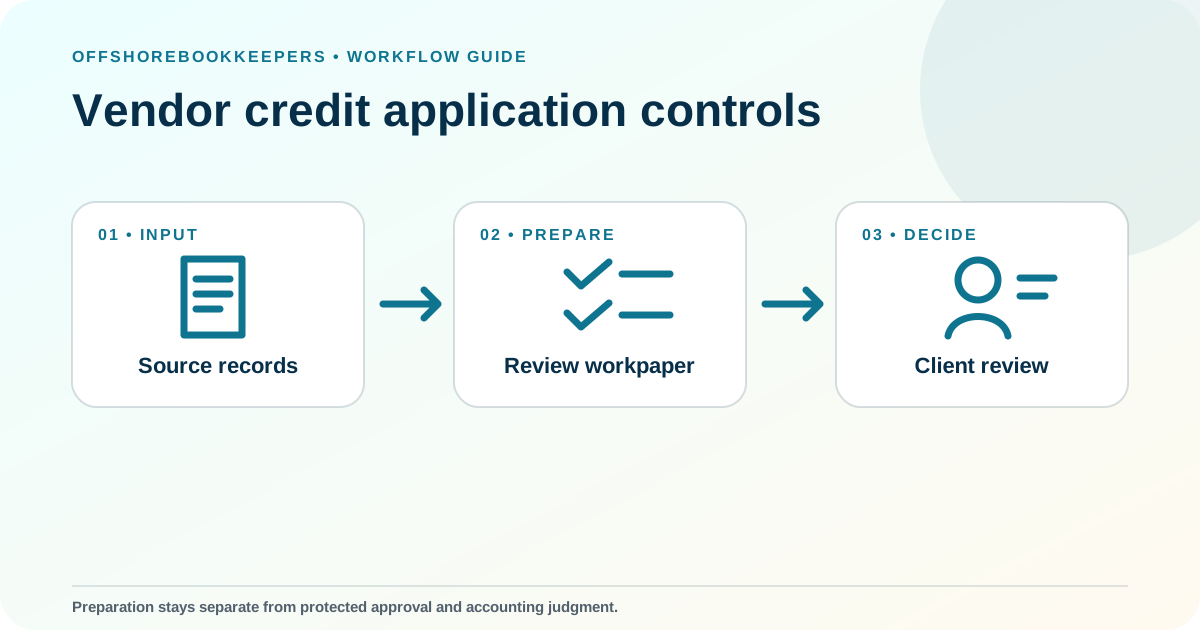
The short answer
- Confirm a vendor credit is supported and applied to the correct open item.
- Keep source evidence, reconciliation detail, and unresolved questions together.
- Leave approval, policy, and accounting judgment with the named finance owner.
Define the review boundary
Build the evidence packet
Collect credit memo, vendor account, related invoice, return evidence, amount, and open balance. Preserve the original source and give each unresolved item a named owner and due date. A bookkeeper can prepare the detail and document questions without making a policy or accounting judgment.
Reconcile before presenting
Tie each credit memo to the vendor statement, original invoice, returned goods or pricing correspondence, and the current payable balance. Flag credits applied twice, used against the wrong entity, or left unapplied after the related invoice closes.
Keep approval independent
The preparer may propose where a documented credit belongs, but the accounts-payable owner approves the application. Write-offs, cross-vendor offsets, and classification changes remain with the controller or other authorized reviewer.
Close with a useful handoff
The final packet should show the period, source reports, reconciled totals, open exceptions, reviewer decision, and next review date. That structure makes vendor credit application controls useful for owners and finance managers who need dependable books without losing control.