
A vendor prepayment shows that cash moved, but it does not by itself show when a service was delivered or how the balance should be applied. Start with vendor, entity, bank account, payment date, amount, currency, purchase reference, and expected delivery or service period. The bookkeeper can build the register and attach the payment record. The responsible finance reviewer confirms the policy and decides the accounting treatment. Keep the prepayment identity stable even when the vendor later sends an invoice. This prevents the invoice from appearing to be a new obligation with no connection to the original cash movement.
Reconcile vendor prepayments without losing the release trail
How bookkeeping support can track vendor prepayments, apply source evidence, and prepare a reviewable release schedule.
Published · 8 minute read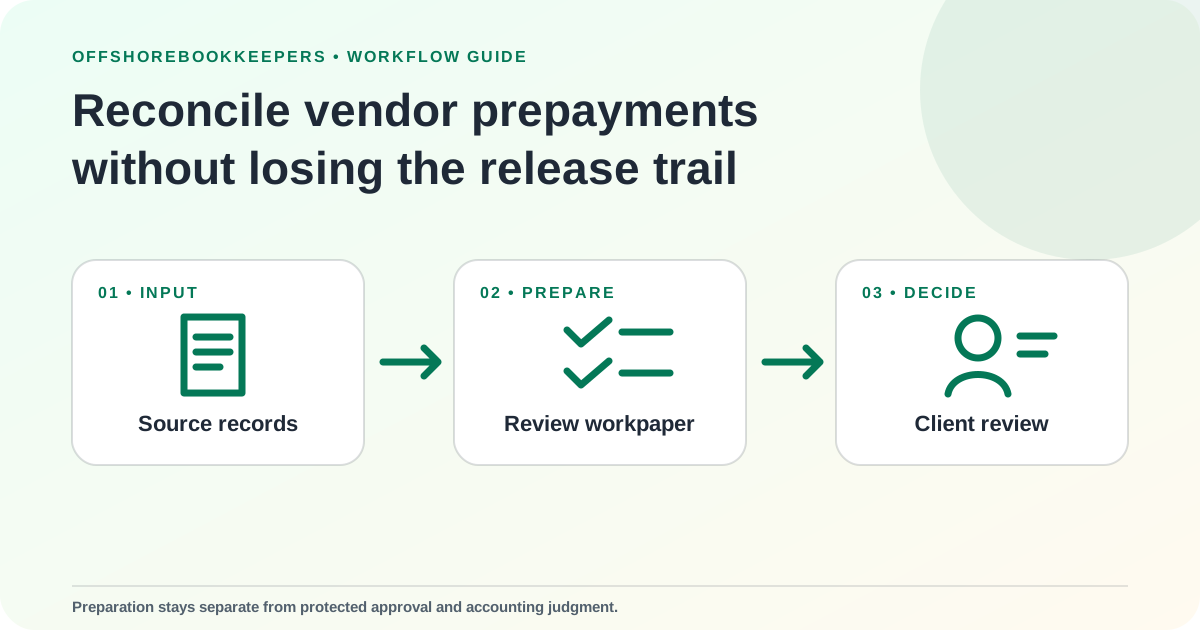
The short answer
- Tie each prepayment to a vendor obligation.
- Track application separately from cash movement.
- Escalate missing delivery or approval evidence.
Separate cash from the obligation
Collect the agreement and source record
Search for the purchase order, contract, order confirmation, invoice, receipt, correspondence, and approval. Note which source establishes the amount and which source establishes the delivery or service period. A vague vendor description is not enough to prove application. If the terms change, preserve both the original and amended record and note the effective date. A remote bookkeeper can compare versions and highlight what changed. The reviewer decides whether the change affects the prepayment schedule. Do not rewrite a source document to fit the register. Keep proposed interpretations in the workpaper and state the question that remains open.
Track applications in their own column
Use separate fields for original payment, applied amount, unapplied balance, application date, invoice reference, evidence, and reviewer status. This avoids treating a balance as cleared simply because an invoice exists. Check that the application does not exceed the prepayment, duplicate a prior application, or use the wrong entity or currency. The bookkeeper prepares the arithmetic and flags exceptions. Approval of an application, release, reclassification, or write-off stays with the authorized reviewer. A visible unapplied balance is healthier than an unexplained zero. It tells the next person where the evidence or decision is still missing.
Reconcile timing and delivery
Compare the scheduled service period with delivery records and invoice dates. A vendor may bill before delivery, partially deliver, or change the scope. Record what has been received and what remains expected without turning an operational note into an accounting conclusion. Ask the owner whether the existing policy covers the case. When evidence conflicts, keep the balance in an exception state and describe the conflict. Offshore bookkeeping support should make the decision narrow: for example, confirm whether the delivery record is complete or whether the vendor should issue a corrected invoice. A broad “please review” handoff makes the reviewer restart the entire search.
Check vendor and bank controls
Treat duplicate-payment and bank-detail checks as client-policy controls rather than universal rules. Follow the client’s written vendor record, access, callback, and approval procedure. A bookkeeper may compare vendor identity and payment references, but should not change bank information or release funds. When the written policy requires independent confirmation, record the trusted channel, evidence, and approver used by the authorized reviewer. Escalate returned, reversed, or unexpected payments through that documented process. Keep the original payment path visible even when a later invoice arrives so the register preserves the cash trail.
Age balances by expected action
Age an unapplied prepayment from the payment date and also record the expected delivery date. Different ages suggest different next actions. A payment before delivery may be normal, while an overdue delivery may require vendor follow-up or owner intervention. Segment the queue by vendor, owner, entity, and reason. Measure new balances, applications, carried items, unresolved evidence, and time waiting for a decision. A high application rate can hide incorrect matching. Sample closed lines and test the source chain. Speed matters only when it leaves a defensible record.
Create a reviewer-ready release schedule
The schedule should show each balance, expected event, owner, evidence needed, and review date. Include a short summary of items ready for application and items blocked by missing information. The bookkeeper can prepare a proposed schedule, but the reviewer decides whether a release, application, or exception is permitted. Keep the approval reference next to the action. If the schedule changes, preserve the prior version. A finance lead should be able to see what moved, why it moved, and what still requires judgment without asking the preparer to explain every row live.
Confirm what the vendor still owes
An unapplied balance should have an operational explanation. Record whether the vendor owes delivery, an invoice, a refund, a corrected document, or a response to a question. The bookkeeper can send the permitted request and attach the vendor’s reply. It should not treat a promise to deliver as evidence that the obligation is complete. If the expected event has passed, change the owner and escalation path rather than leaving an old note in place. This makes the schedule useful to both the finance reviewer and the person responsible for the vendor relationship.
Keep the handoff current
Update instructions when vendors, purchase workflows, entities, currencies, or approval rules change. Give temporary workarounds an owner and expiry date. Preserve source documents and the final reviewer decision. A controlled prepayment reconciliation makes offshore bookkeeping support useful without allowing a preparation role to make an unapproved release or classification choice. The lasting standard is simple: every cash movement has an identity, every application has evidence, and every unresolved balance has a named next step.
Questions owners ask
What can the bookkeeper reconcile?
The bookkeeper can compare the prepayment register, bank activity, invoices, receipts, and applications, then route unresolved differences.
Who approves release or write-off?
The owner, controller, CPA, or other authorized reviewer decides when policy or accounting judgment is required.