
Start with the reporting date, accounts or projects included, and the person who approves exceptions. This weekly cash position report should explain its scope before anyone changes a record.
Weekly cash position report
Summarize cleared cash, known obligations, expected receipts, and open items.
Published · 8 minute read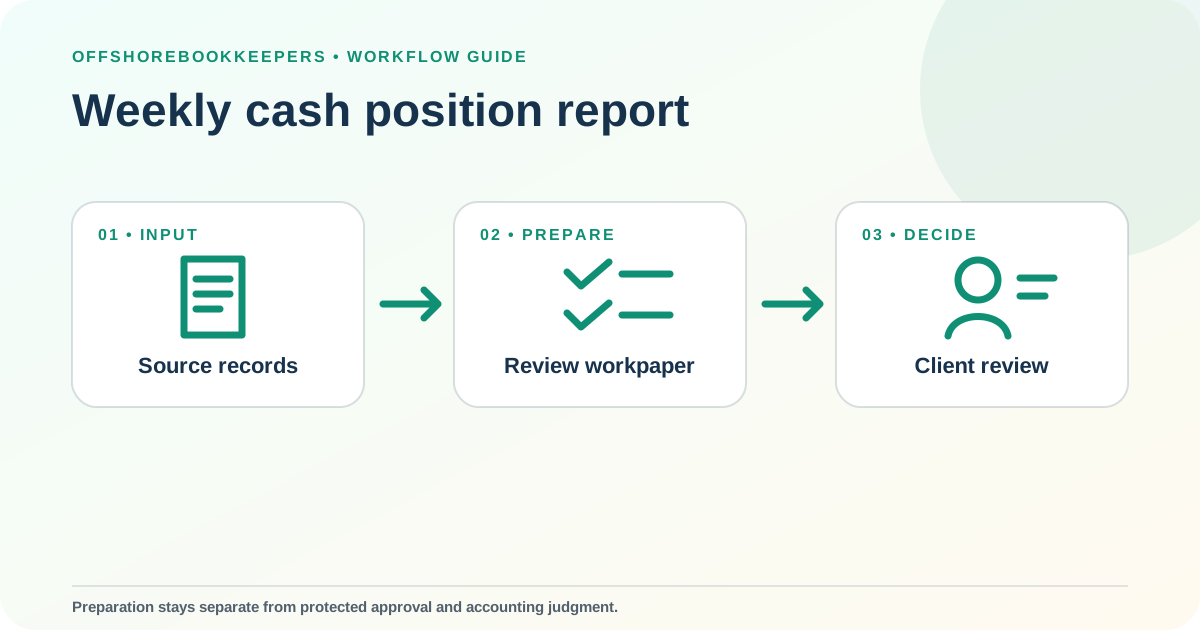
The short answer
- Summarize cleared cash, known obligations, expected receipts, and open items.
- Keep source evidence, reconciliation detail, and unresolved questions together.
- Leave approval, policy, and accounting judgment with the named finance owner.
Define the review boundary
Build the evidence packet
Collect as-of time, bank account, cleared balance, payments, payroll, taxes, and expected receipts. Preserve the original source and give each unresolved item a named owner and due date. A bookkeeper can prepare the detail and document questions without making a policy or accounting judgment.
Reconcile before presenting
Reconcile opening cash to bank balances, then separate cleared activity from known deposits, approved payments, transfers in transit, and restricted amounts. Explain stale or unusual reconciling items instead of presenting an unsupported available-cash figure.
Keep approval independent
The bookkeeper prepares the cash bridge from approved records. Treasury or the business owner decides payment timing, transfers, borrowing, and minimum-cash actions; the report must not present a preparer forecast as an authorization.
Close with a useful handoff
The final packet should show the period, source reports, reconciled totals, open exceptions, reviewer decision, and next review date. That structure makes weekly cash position report useful for owners and finance managers who need dependable books without losing control.