
Start with the source record, date, owner, and amount relevant to customer deposit liability review. Record each item separately so timing and classification differences remain visible.
Customer deposit liability review
Keep advance customer receipts distinct from earned revenue.
Published · 8 minute read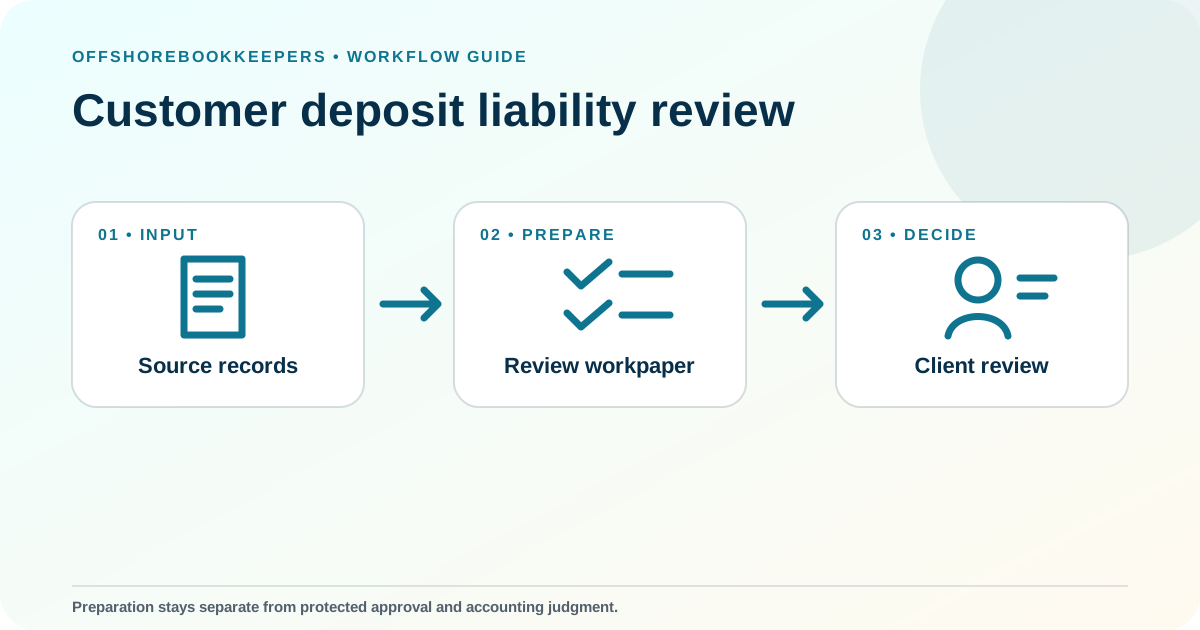
The short answer
- Start with the source record, date, owner, and amount relevant to customer deposit liability review. Record each item separately so timing and classification differences remain visible.
- A bookkeeper can assemble the schedule, reconcile it to the ledger, and flag missing support. The owner, controller, or accountant keeps approval of exceptions, policy judgments, and decisions that change financial reporting.
- At close, label every difference as timing, missing evidence, duplicate, disputed item, or approved correction. Keep the supporting document and next action with the exception until a named reviewer resolves it.
Practical guidance
Keep the evidence connected
Match each customer deposit to its agreement, expected fulfillment, and release condition. The business owner decides when the condition for recognizing revenue has been met.
Review the exception list
At close, scan for old deposits, partial fulfillment, refunds, and receipts posted directly to revenue without a release record.
Questions owners ask
Who approves the final accounting decision?
The owner, controller, or CPA should approve entries, exceptions, policy judgments, and decisions that change financial reporting or business risk.