Offshore Bookkeepers guide

Sales tax account reconciliation

Tie sales-tax balances to filings, payments, and transaction reports.

Tie sales-tax balances to filings, payments, and transaction reports.

The short answer

  • Reconcile sales tax by jurisdiction and filing period across transaction reports, filed returns, payments, notices, and general-ledger activity.
  • Keep timing differences separate from configuration, taxability, filing, and payment exceptions so each issue reaches the right reviewer.
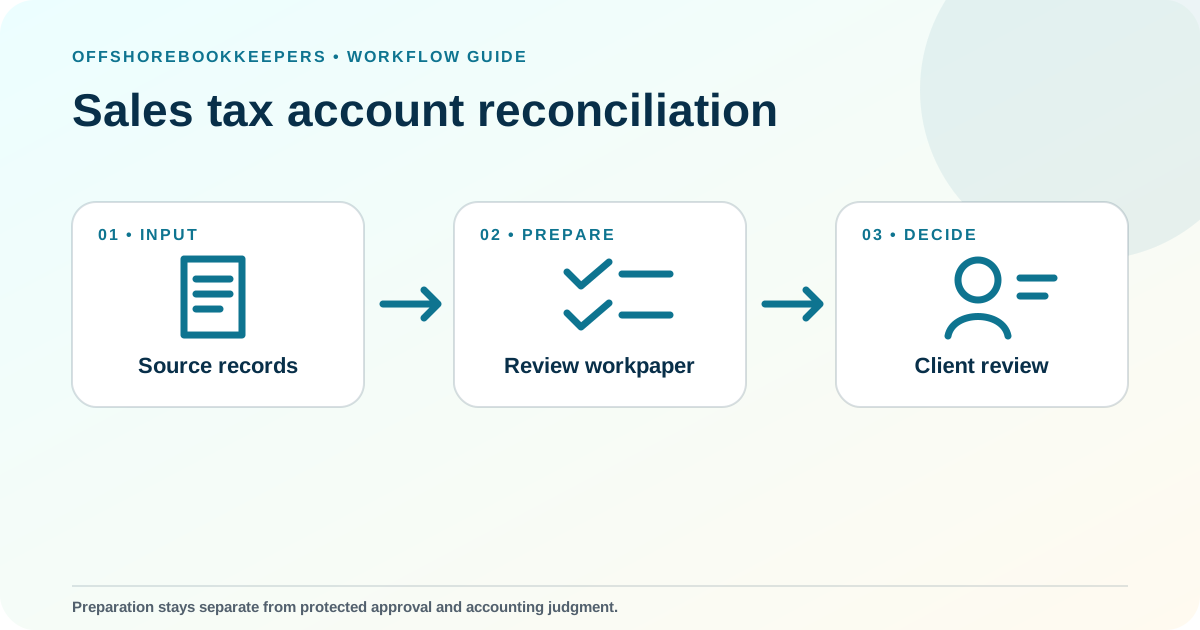
  • A bookkeeper can assemble reports and prepare the tie-out, but a qualified tax adviser or authorized business owner should decide taxability, filing positions, amendments, and payment release.

Organize the source records by jurisdiction

For each state, province, locality, or other filing authority, collect the sales detail used for the return, exemption and resale information where applicable, marketplace-facilitator reports, filed return, filing confirmation, payment confirmation, notices, and general-ledger activity. Preserve the report parameters, including entity, location, date basis, time zone, and whether refunds and discounts are included.

Build a period rollforward with opening liability, tax recorded from sales, debit or credit adjustments, return liability, payments, and ending liability. Keep separate ledger subaccounts by jurisdiction when the accounting design supports it. If several jurisdictions share one account, the reconciliation schedule must provide the missing detail.

Tie transaction reports to the ledger

Compare tax in the sales or commerce report with tax credited to the liability account. Investigate gross-versus-net posting, refunds, chargebacks, manual invoices, imported batches, and transactions dated near cutoff. If a marketplace collects and remits tax, confirm how both the platform report and the company’s ledger treat that activity; do not assume it belongs in the company’s payable or exclude it without documented tax instructions.

Differences should be listed at a reproducible level. Examples include a sales batch posted after close, tax coded to revenue, a refund recorded without reversing tax, or a manual journal unsupported by transaction detail. Keep transaction IDs or report references with each item.

Tie the return and payment separately

First compare the filed return with the approved filing workpapers. Then compare the return liability with the ledger amount assigned to that filing period. Finally, trace the payment to the bank and the liability account. A payment can be correct even when the return-to-ledger tie-out is not, and combining these steps can obscure the cause.

Distinguish current-period collections not yet due from true exceptions. Track filing credits, prepayments, penalties, interest, and agency adjustments separately; they may require different ledger accounts and reviewer decisions. A tax notice should remain linked to the period and jurisdiction it affects.

Route tax decisions to the right owner

Useful exception categories include report configuration, missing transaction, taxability question, jurisdiction mapping, return difference, payment timing, agency notice, and proposed accounting correction. Record the amount, period, evidence, owner, due date, and disposition.

A bookkeeper can gather reports, maintain the rollforward, trace filed amounts and payments, and draft an entry under documented instructions. The bookkeeper should not independently decide nexus, registration, product taxability, exemption validity, amended returns, or how to answer an agency. Those decisions belong to an authorized business owner and qualified tax adviser. Payment release and journal approval should also follow the company’s authorization process.

The close packet should contain the reconciliation, ledger detail, source reports with parameters, filed returns, confirmations, and unresolved-item log. IRS recordkeeping guidance offers general context for retaining supporting business records; jurisdiction-specific requirements should be confirmed with the tax adviser. Related workflow support is described under monthly close support and reporting and review support.

Questions owners ask

Why might the sales-tax liability differ from the latest return?

The ledger may include activity after the return period, prior-period adjustments, marketplace activity, payments in transit, or posting errors. Reconcile the difference by jurisdiction and period rather than forcing the balances to agree.

Who decides whether a sale is taxable?

Taxability, registration, nexus, filing positions, and amendments should be decided by the business and its qualified tax adviser. The bookkeeper can provide transaction detail and apply documented instructions.

Keep planning

Sources

  1. Internal Revenue Service, Recordkeeping